Posts

Showing posts with the label Speciality and fine chemiclas

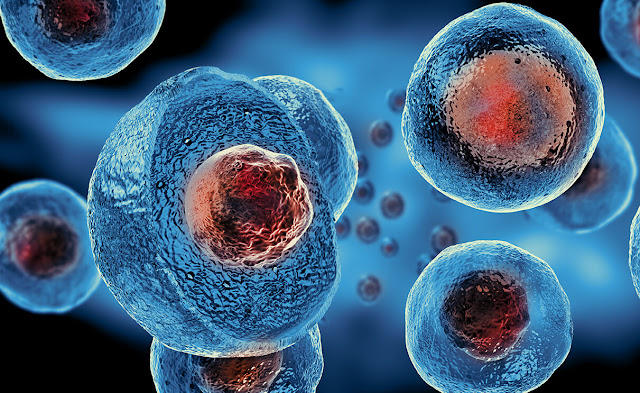
Revolutionizing Healthcare: Unleashing the Potential of Stem Cell Therapy
Image
  Stem Cell Therapy In recent years, the field of healthcare has been witnessing a revolutionary approach with the advent of stem cell therapy. Stem cell therapy holds immense promise in treating a wide range of medical conditions and has the potential to revolutionize the way we approach healthcare. This cutting-edge therapy utilizes the remarkable abilities of stem cells to repair and regenerate damaged tissues, offering new hope for patients suffering from debilitating diseases and injuries. Stem cells are undifferentiated cells that have the unique ability to develop into specialized cell types in the body. They can be derived from various sources, including embryos, umbilical cord blood, and adult tissues such as bone marrow and adipose tissue. This versatility of stem cells makes them a valuable tool in regenerative medicine. One of the most promising applications of Stem Cell Therapy is in the treatment of degenerative diseases such as Parkinson's disease, Alzheimer...
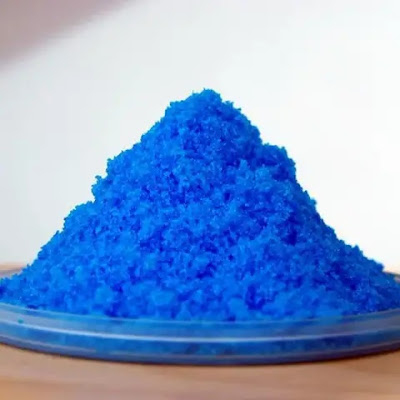
Everything You Need To know About Copper Sulfate

Image
                                                                                                   Copper Sulfate Market Copper sulphate is an inorganic compound formed by the combination of sulphur and copper. It has the ability to kill bacteria, algae, roots, plants, snails, and fungi. The toxicity of copper sulphate is determined by its copper content. Copper is a necessary mineral. It is present in the environment, food, and water. Copper sulphate can irritate the eyes severely. Consuming excessive amounts of copper sulphate can cause nausea, vomiting, and damage to body tissues, blood cells, the liver, and the kidneys. Extreme exposures can result in shock and death. Copper sulphate has a similar effect on animals. Poisoning symptoms i...

Zinc Oxideis used in a wide range of cosmetics and personal care products

Image
                                                                                                      Zinc Oxide Market Zinc oxide, abbreviated ZnO, is an inorganic compound. It is a white powder that is water insoluble. The mineral zincite contains ZnO, which is found in the Earth's crust. Having said that, the vast majority of ZnO used in industry is synthetic. Zinc oxide is commonly found in medical ointments for the treatment of skin irritations. Zinc oxide is a semiconductor with a wide band gap that belongs to the II-VI semiconductor group. The semiconductor's native doping is n-type due to oxygen vacancies or zinc interstitials. Other advantageous properties include high electron mobility, a wide band gap, and strong room-te...

Elastomeric Coating has a higher volume solid content than traditional paints

Image
                                                                                                 Elastomeric Coating Market Elastomeric coatings are protective barriers that are applied to interior and exterior walls in the form of wall paint. Water-based coatings and paints, as well as acrylic latex paints, can be used to create elastomeric coatings. They are applied to concrete structures as a thick coat. Elastomeric coating have gained popularity among a variety of end users due to properties such as increased durability and resistance to temperature variations when compared to conventional paints. Elastomeric coating are also used in the automotive industry to coat the surface of plastic parts. It can also be applied to metals like steel, wh...

Chitosan is a chitin derivative derived from the shells of aquatic organisms

Image
                                                                                            Chitosan Market Chitosan is a sugar derived from the shells of shellfish such as crab, lobster, and shrimp. It's used in medicine and drug production. Chitosan is a fibrous substance that may reduce the amount of fat and cholesterol absorbed by the body from foods. When applied to wounds, it also aids in blood clotting. People use chitosan to treat high blood pressure, high cholesterol, obesity, wound healing, and a variety of other ailments, but there is little scientific evidence to back up many of these claims. According to Coherent Market Insights " The global chitosan market is estimated to account for US$ 3,573.1 Mn in terms of value and 53,806.0 Tons in terms of v...

Blowing Agents thermally insulating additives used in the production of foamed plastics

Image
                                                                                       Blowing Agents Market A blowing agent is a compound that can produce a cellular structure in a range of materials that undergo hardening or phase transition, such as polymers, plastics, and metals, through a foaming process. They're most commonly used when the blown material is still liquid. The cellular structure of a matrix reduces density, enhancing thermal and acoustic insulation while increasing the original polymer's relative stiffness. Physical blowing agents include CFCs (ozone depletants outlawed by the Montreal Protocol of 1987), HCFCs (replaced CFCs, but also ozone depletants, and therefore being phased out), hydrocarbons (e.g. pentane, isopentane, cyclopentane), and liqui...

The Ultimate Guide To Humic Acids

Image
                                                                                                                           Humic A cids Humic acid is a by-product of the biodegradation of organic materials such soil/humus, peat, and coal. It is a complex mixture of different acids derived from phenolate and carboxyl groups that can be utilised to offer essential nutrition to crops, plants, and humans. As a result, humic acid is widely employed in the agricultural and medicinal industries for a range of purposes. The presence of Humic Acids in potable or industrial water can have a major impact on the water's treatability and the effectiveness of chemical disinfection operation...

The Ultimate Guide To Sodium Cyanide

Image
                                                                                        Sodium Cyanide Market The chemical word for cyanide, which is a very deadly material, is sodium cyanide. Cyanobrik, sodium cyanide, cyanide salt, and cyanogen are some of the alternative names for sodium cyanide. It's a single-carbon molecule that functions as a sodium salt. Because it is a chemical complex with no stable carbon and hydrogen bond, it is an inorganic substance. This sodium salt is water soluble and has a white colour. It is one of the most dangerous salts due to its high affinity (highly reactive) for metals. Sodium cyanide is a relatively strong base that, when mixed with an acid (such as sulfuric acid), generates sodium cyanide gas, which is extremely deadly. Sodium...

Marine Coatings have become an inseparable part of the marine industry, providing enhanced efficiency and reducing the maintenance cost of vessels

Image
                                                                                                   Marine Coatings Marine coatings are mainly used on container ships, cruise ships, tankers, general cargo vessels, and passenger liners as they protect structures & mechanical parts of vessels from corrosion and abrasion. Corrosion slowly deteriorates the mechanical parts and significantly decreases the operational life of marine vessels. The marine coating protects the metal from this corrosion process. These coatings also add certain chemical resistance, anti-corrosion abilities, and the ability to resist ultra-violet radiation. These coatings also protect against physical attacks by water, saltwater, ice, snow, and hail. Marine coa...

What are Iron Oxdie And Its Uses?

Image
                     Iron Oxide Iron oxide are iron and oxygen-based chemical compounds. They are found in haemoglobin and are employed as iron ores, pigments, catalysts, and thermite. In paints, varnishes, and coloured concretes, iron oxides are a low-cost, long-lasting pigment. Iron oxide and oxyhydroxides are abundant in nature and are involved in a variety of geological and biological processes. They are found in haemoglobin and are employed as iron ores, pigments, catalysts, and thermite. In paints, varnishes, and coloured concretes, iron oxides are a low-cost, long-lasting pigment. The "earthy" end of the yellow/orange/red/brown/black spectrum is often accessible. It bears the E number E172 when used as a food colouring. Uses Of Iron Oxide: Copperplate and die stamping inks have both employed common black iron oxide. Iron oxides are a major component of goods in the pharmaceutical, paint, plastic, ink, and cosmetic industri...

Everything to Know About Flexographic Printing Inks

Image
           Flexographic Printing Inks Flexographic printing, commonly known as flexo printing, is a standard and widely used process for producing huge quantities of personalised labels. Through the transfer of ink onto a medium such as paper, film, or cardboard, a flexographic printer can generate thousands of bespoke labels in a short amount of time. To complete the task, the printing material is attached to fast-rotating cylinders using flexible printing plates. Flexographic printing inks is popular because of its speed, cost-effectiveness, and low environmental impact. Water-based, UV curable, and solvent-based flexographic inks are the three primary types. The ink that will be utilised for each application will be determined by the substrate type – or printing surface. Inks for flexographic printing and inks for flexographic printing Despite the fact that solvent-based inks are safe to use for food packaging and other home uses, their popularity has...

Chloramine B is one of the important chemical widely used across paper and wood industry

Image
.               Chloramine B Chloramine B is a compound that is very similar to the building material sodium hypochlorite. It is commonly used as an oxidizing agent in bleach-based products such as paper and wood products. It is also known as Blue B in the industry. In its most popular form, it is called Chloramine Trioxide or CLO for short. Chloramine B is made from the combination of two chemical elements. The first element is a substance obtained from natural sources and used for many purposes. It is used as an oxidizing agent, which reactivates substances that would otherwise remain inert, such as hydrogen fluoride (which reacts with ammonia), rubbers, oil, etc. It is also used as an antiseptic and deodorizer, and as an antibacterial agent. It is still in widespread use today, especially in the paper industry. It is basically a powdery white powder with a slight chlorine smell. Chloramine-B  was then ineffectively used as an oxidizing agent...

Ethyl Mercaptan is a colorless liquid with a garlic-esque smell and is used as an additive in highly flammable gases such as butane, propane, and others

Image
                                      Ethyl mercaptan Ethyl mercaptan is a product derived from natural materials such as sugar cane, starch, cotton, and wood. It has been extensively used in a variety of industries including cosmetics, pharmaceuticals, and food and drugs. It has been used as an additive for the purpose of stabilizing and strengthening in the food and beverage and cosmetics industries. Ethyl mercaptan has a number of industrial applications in which it can be effectively utilized. It has been used in the pharmaceutical and food and drug sectors to improve the flavor and nutritional value of their products. It can also be added to other ingredients in order to create a more appetizing flavor and texture of the same. These additives have been used in many cosmetics products such as skin care creams, lotions, shampoos, soaps, facial creams, shampoos, soaps, whipped cream, ice ...

What are Tallow fatty acids and how are they obtained?

Image
Tallow fatty acids are animal derivatives utilised in a variety of applications, including oil field consumption, resins, industrial cleansers, personal care products, and the rubber and textile sectors. Tallow is largely made up of triglycerides and is a rendered type of beef or mutton fat. Tallow is mostly used to make soap and animal feed. Tallow may be used to make bio-diesel in the same way as plant-based oils are now. The hydrolysis of cattle tallow produces tallow fatty acids (or animal fat). Prior to the distillation process, the fatty acid may or may not be hydrogenated. This hydrogenation might be full or partial till saturation. The distillation process is the last step. Tallow is created by rendering suet, which is the fat from cattle or sheep that surrounds the organs of the animal. Rendering is a method of separating fat from any residual muscle or connective tissue by gently heating suet. Tallow, which was abundantly accessible domestically, was used to make many trad...

Popular posts from this blog

Revolutionizing Healthcare: Unleashing the Potential of Stem Cell Therapy

Why Laboratory Gas Generator Are Safe Choice

Diabetic Neuropathy: A Comprehensive Guide for Diabetic Patients